
YAMATO KIHAN
Index
Show More
YAMATO KIHAN’s vibratory mill is equipment that performs fine grinding using balls or rods as media through impact and grinding. This article explains the features of YAMATO KIHAN’s vibratory mill, the grinding methods it supports, and the materials it is suited to process.
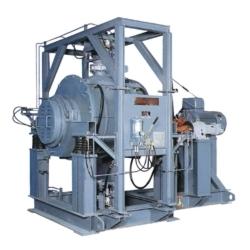
Source: YAMATO KIHAN Official Website - Vibratory Mill
(https://www.yamato-kihan.jp/product/pulverization/vibro_mill.html)
(https://www.yamato-kihan.jp/product/pulverization/vibro_mill.html)
Features and Strengths
of YAMATO KIHAN
Vibratory Mills
Fine Grinding
of Hard Raw Materials
YAMATO KIHAN’s vibratory mills use the vibrational impact and grinding action of the media in a design that enables efficient fine grinding. A wide range of grinding media shapes and materials is available, making it easy to grind hard raw materials such as alumina, ferrite, metals, and coke.
Support
for Flexible
Production Methods
YAMATO KIHAN’s vibratory mills support both wet and dry grinding methods. They are also available in either batch or continuous configurations, depending on the production scale and process. This versatility allows them to support operation across a wide range of applications, from research and development to mass production lines.
Basic Information:
YAMATO KIHAN
Vibratory Mills
| Process Type | Dry / Wet |
|---|---|
| Operation Mode | Batch / Continuous |
| Examples of Materials Processed | Alumina, ferrite, metals, coke, activated carbon, powder metallurgy materials, slag, hydrated lime, magnetic materials, and more |
| Typical Applications | Fine grinding, mixing, and surface modification |
| Applicable Industries | Food, mining, industrial manufacturing, pharmaceuticals, fertilizers, and more |
| Test Machine | Not specified on the official website |
Maintenance Features
of YAMATO KIHAN
Vibratory Mills
YAMATO KIHAN is an engineering company that provides one-stop services not only for the sale of powder and bulk solids equipment and food machinery, but also for design, manufacturing, and maintenance operations. The company has a support system that includes equipment maintenance after installation and engineering for the entire plant.
Grinding Examples Using
YAMATO KIHAN
Vibratory Mills
No grinding examples using vibratory mills were listed on the official website.
For Companies Seeking
Both Fine Grinding of
Hard Raw Materials
and Flexible
Production Methods
YAMATO KIHAN provides powder handling equipment for a wide range of industries, from food to mining. YAMATO KIHAN’s vibratory mill is a strong option for sites that require fine grinding of hard raw materials and support for both wet and dry processing. It is particularly effective in cases that are difficult to process with conventional grinding machines and at sites where flexibility in the manufacturing process is required.
CHECK
Find the Right Vibratory Mill
for Your Material
for Your Material
The right vibratory mill varies depending on the material, such as metals, ceramics, LFP raw materials, and industrial waste.
This article reviews the specifications of vibratory mills for mass production and their industry-specific applications. It explains and compares vibratory mills suited to different materials based on differences in structure, vibration method, and processing capacity. Please refer to this article when selecting the right grinding machine.
Product Overview: YAMATO KIHAN Vibratory Mills
Vibratory Mill
Source: YAMATO KIHAN Official Website
(https://www.yamato-kihan.jp/product/pulverization/vibro_mill.html)
(https://www.yamato-kihan.jp/product/pulverization/vibro_mill.html)
This equipment performs fine grinding through vibrational impact and grinding using media balls and rods. By adjusting the material and shape of the media, it can handle hard raw materials more effectively.
Specifications: Vibratory Mill
| Working Capacity | Not specified on the official website |
|---|---|
| Media | Not specified on the official website |
| Lining | Not specified on the official website |
| Process Type | Dry / Wet |
| Operation Mode | Batch / Continuous |
| Examples of Materials Processed | Alumina, ferrite, metals, coke, activated carbon, and more |
Company Overview: YAMATO KIHAN
Source: YAMATO KIHAN Official Website
(https://www.yamato-kihan.jp/)
(https://www.yamato-kihan.jp/)
YAMATO KIHAN Co., Ltd. is a comprehensive manufacturer of powder and bulk solids equipment and food machinery based in Fukuoka Prefecture. The company is engaged not only in the sale and manufacture of individual machines, but also in plant engineering operations.
| Company Name | YAMATO KIHAN Co., Ltd. |
|---|---|
| Company Location | 179-7 Kamiookuma, Kasuya-machi, Kasuya-gun, Fukuoka, Japan |
| Branches and Distributors | Not specified on the official website |
| Official Website | http://www.yamato-kihan.jp/ |
3 Recommended Vibratory Mills
by Material
by Material
Grinding Hard Metals
and Ceramics
For Electronic Materials and
Semiconductor Materials
and Ceramics
For Electronic Materials and
Semiconductor Materials
Model CD Vibration Mill
CHUO KAKOHKI
CHUO KAKOHKI
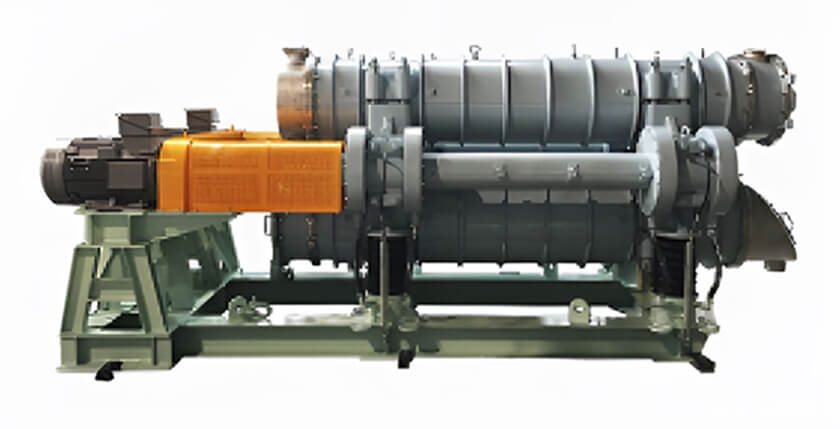
Source: CHUO KAKOHKI Official Website
(https://chuokakohki.com/products/mills)
Grinding Features
Designed for submicron grinding of advanced ceramics and electronic materials, including hard-to-grind SiC, with metal-free configuration options for high-purity processing. High-G impact energy enables both submicron grinding and mechanochemical processing, supporting advanced material development and alloy synthesis.
Maintenance Features
Unavoidable bearing replacement can be completed by simply swapping in a spare vibrator unit. This allows operation to resume quickly with minimal downtime.
- Pot Volume
- 17.2–803.2 gal (65–3,040 L)
- Media
- Steel, stainless steel, alumina, nylon
- Lining
- Steel, stainless steel, alumina, zirconia, rubber (polyurethane, NBR), nylon
- Process Type
- Dry / wet
- Operation Mode
- Continuous
- Laboratory
Test Model - Available
Show More
Grinding Battery Materials
and Carbon
For EV and
Energy Storage Production
and Carbon
For EV and
Energy Storage Production
Heavy-duty Vibration Grinders
Xiamen Tmax Battery Equipments
Xiamen Tmax Battery Equipments
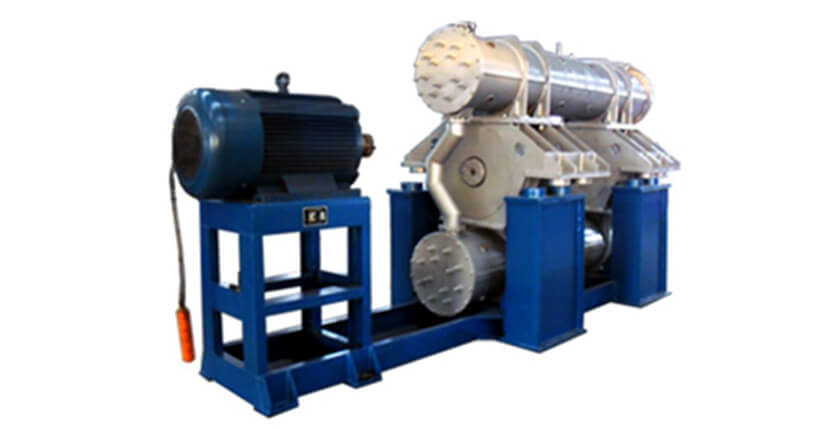
Source: TMAX Official Website
(https://www.tmaxcn.com/heavy-duty-vibration-grinder-for-large-scale-production_p3540.html)
Grinding Features
Supports contamination-controlled grinding for battery materials using low-cost metal-free liner and media options. Polyurethane lining combined with ceramic media such as alumina prevents metal contamination without the need for expensive ceramic liners.
Maintenance Features
It includes unlimited online technical support, helping users build a self-maintenance and servicing system while receiving technical guidance from the manufacturer.
- Pot Volume
- 26.4–317.0 gal (100–1,200 L)
- Media
- Zirconia, alumina, silicon nitride, agate, crystal glass, stainless steel, tungsten, high-wear-resistant steel, manganese steel, carbon steel, hard metal, cemented carbide, polyurethane balls, nylon, and more
- Lining
- Stainless steel, ceramic, zirconia, glazed block, nylon, PTFE, food-standard rubber, polyurethane
- Process Type
- Dry / wet
- Operation Mode
- Continuous
- Laboratory
Test Model - Available
Show More
Grinding Hard Scrap
and Industrial Waste
For Industrial Recycling and
Waste Processing
and Industrial Waste
For Industrial Recycling and
Waste Processing
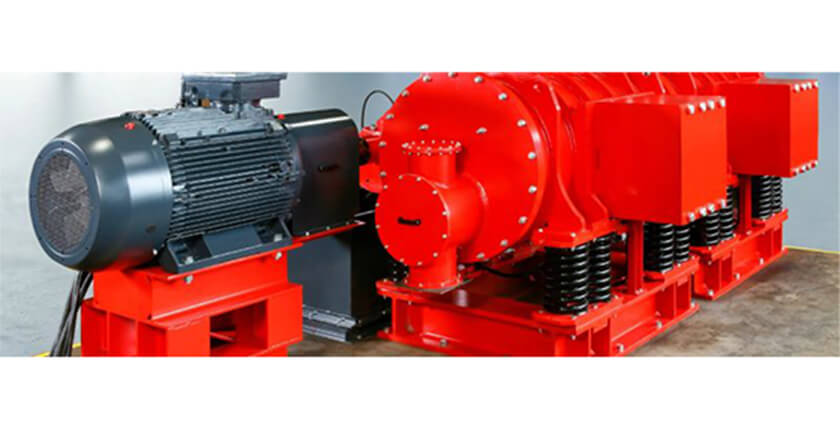
Eccentric Vibrating Mills
SIEBTECHNIK TEMA
SIEBTECHNIK TEMA
Source: SIEBTECHNIK TEMA Official Website
(https://www.siebtechnik-tema.com/unit_operation/eccentric-vibrating-mills/)
Grinding Features
Built for heavy-duty grinding of hard scrap and difficult industrial materials, including carbide waste and asbestos processing. It enables efficient recycling of tungsten and cemented carbide, and uses impact and heat to break down asbestos into fiber-free raw material.
Maintenance Features
For easier maintenance, the main drive components are installed outside the grinding cylinder, reducing the labor required for inspection and parts replacement.
- Pot Volume
- 2.9–502.5 gal (11–1,902 L)
- Media
- Steel, cemented carbide, ceramic, and more
- Lining
- Special steel, ceramic, rubberized
- Process Type
- Not specified on the official website
- Operation Mode
- Continuous / batch / automated batch
- Laboratory
Test Model - Available
Show More
*Source: TMAX Official Website (https://www.tmaxcn.com/1-100l-optional-vibrating-ball-mill-machine_p1778.html)
*Source: SIEBTECHNIK TEMA Official Website (https://www.siebtechnik-tema.com/unit_operation/eccentric-vibrating-mills/)
*Source: SIEBTECHNIK TEMA Official Website [PDF] (https://www.siebtechnik-tema.com/wp-content/uploads/2023/03/wb238e_Exzenterschwing_2025-1.pdf)
*Source: SIEBTECHNIK TEMA Official Website (https://www.siebtechnik-tema.com/unit_operation/eccentric-vibrating-mills/)
*Source: SIEBTECHNIK TEMA Official Website [PDF] (https://www.siebtechnik-tema.com/wp-content/uploads/2023/03/wb238e_Exzenterschwing_2025-1.pdf)