
The Vibratory Mill Selection Guide for Advanced Industries » Lab Vibratory Ball Mill
Lab Vibratory Ball Mill
Index
Show More
A lab vibratory ball mill is a bench-top device that grinds and mixes small samples in a short time. With powerful vibrational energy, a lab vibratory ball mill can reduce materials ranging from hard materials to fibrous materials to a particle size suitable for analysis in just a few minutes. It can be placed on a desk and enables more efficient grinding operations.
Benefits of
Lab Vibratory Ball Mills
Analytical Samples
Can Be Prepared
in Just a Few Minutes
Unlike rotary mills, it uses high-speed motor-driven vibration to impart high kinetic energy to the media. Grinding to a fineness suitable for analysis, which usually takes several hours, can be completed in just a few minutes. It can reduce sample preparation time for X-ray fluorescence (XRF) and X-ray diffraction (XRD). High-speed vibration causes frequent collisions and friction between the media, enabling rapid fine grinding.
High Recovery Rates
for Small Samples and
Reduced Contamination
Using small jars suitable for processing samples from a few grams to several tens of grams helps reduce material loss. By selecting jar materials suited to the target material, such as agate or zirconia, contamination can be minimized. When handling expensive new materials or rare samples in gram quantities, the ability to send them for analysis without waste while maintaining purity is a major advantage.
Highly Reproducible
Grinding Conditions and
Flexible Operating Modes
Because frequency and time can be digitally controlled, operator-dependent variation can be eliminated, enabling consistently reproducible grinding results. In addition to dry and wet grinding, cryomilling using liquid nitrogen can also process heat-sensitive biological samples and elastic resins. Because the energy input can be fixed mechanically, the reliability of experimental data can be improved.
Materials Well Suited to
Lab Vibratory Ball Mills
Lab vibratory ball mills are particularly well suited to grinding hard, brittle materials such as ores, ceramics, and glass, which are prone to breaking under impact. Fibrous and elastic materials such as plants, wood, and plastics can also be embrittled and finely ground through cryogenic grinding.
Lab vibratory ball mills are also suitable for mechanical alloying of metal powders. Samples with extremely high adhesiveness are not suitable.
Choosing the Right
Vibratory Mill
for Each Material
To improve operational efficiency by introducing a lab vibratory ball mill, it is important to select the right device for the target material and processing volume.
This article reviews and compares vibratory mills from various manufacturers — from industrial models for mass production to small machines for research and development — and organizes suitable models for each material based on differences in structure, vibration method, and processing capacity.
Typical Uses and
Applicable Industries
Lab vibratory ball mills are used for fine grinding mineral and soil samples for compositional analysis in geology and mining. In the fields of chemistry and materials science, lab vibratory ball mills can contribute to nano-level dispersion in the research and development of ceramics, catalysts, and battery materials.
Lab vibratory ball mills are used for a wide range of purposes, including preparation for analysis of electronic substrates in the environmental field and preparation for DNA extraction in the pharmaceutical and biotechnology fields. In universities and research institutions, it is indispensable for experiments involving small-scale synthesis of new materials and mechanochemical reactions.
Lab Vibratory Ball Mills
by Manufacturer
This section features the specifications and company information of lab vibratory ball mills from manufacturers whose official websites confirm that they offer small-scale models for research and testing.
The manufacturers listed on this site were selected from a total of 30 companies appearing in the top 100 Google search results for "Vibration Mill" (English-language sites only) and 12 companies appearing in the top 50 results for "Vibratory Mill" (English-language sites only), as surveyed on January 20, 2026. Only manufacturers whose official websites feature large-scale vibratory mills for factory use were included. Among them, this page lists those that also offer lab-scale models for research and development.
CHUO KAKOHKI
Small Vibratory Mill
for Testing and Research

Source: CHUO KAKOHKI Official Website
https://chuokakohki.com/products/mills
https://chuokakohki.com/products/mills
| Pot Volume | 0.9 gal (3.4 L) × 2 1.7 gal (6.6 L) × 4 |
|---|---|
| Media | Steel, Stainless Steel, Alumina, Nylon |
| Lining | Steel, Stainless Steel, Alumina, Zirconia, Rubber (Polyurethane, NBR), Nylon |
| Process Type | Dry / Wet |
| Operation Mode | Batch |
| Examples of Materials Processed | Al powder, Iron powder, Stainless steel, Secondary batteries, Superalloys, Tungsten carbide, Manganese metal, Rare earth metals, Amorphous alloys, Metallic chromium, Ferromanganese, Alumina, Zirconia, Silicon nitride, Silicon carbide, Magnesia clinker, Limestone, Ferrite, Barium titanate, Titanium oxide, Manganese dioxide, Ceramics, Bengala, Calcium carbonate, Organic pigments, Inorganic pigments, Fluorescent agents, Glass fiber, Carbon black, Matcha, Garlic powder, Lactose, Activated carbon, Sulfur, Chinese herbal medicine, Ammonium sulfate, Special cement, Gypsum, Slaked lime, Granulated slag, Incineration ash, Unburned incineration materials, Unburned rubble |
Source: CHUO KAKOHKI Official Website (https://chuokakohki.com/products/mills)
Company Overview:
CHUO KAKOHKI
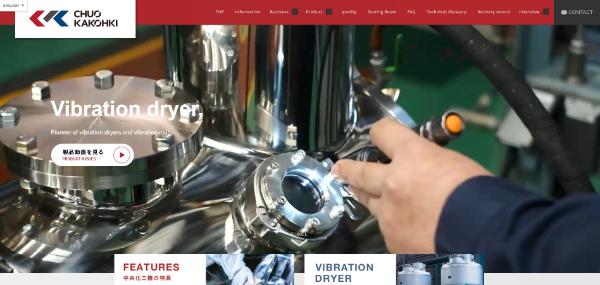
Source: CHUO KAKOHKI Official Website
https://chuokakohki.com/products/mills
https://chuokakohki.com/products/mills
| Company Name | CHUO KAKOHKI CO., LTD. |
|---|---|
| Company Location | 3 Nakanowari, Shinden-cho, Toyoake-shi, Aichi 470-1112, Japan |
| Branches and Distributors | Tokyo Sales Office, Vietnam Corporation |
| Official Website | https://chuokakohki.com/ |
SIEBTECHNIK TEMA
Vibrating Mill (GSM 06)

Source: Siebtechnik Tema Official Website
https://www.siebtechnik-tema.com/unit_operation/vibrating-mill/
https://www.siebtechnik-tema.com/unit_operation/vibrating-mill/
| Pot Volume | 0.08 gal (0.3 L) × 2 / 0.26 gal (1.0 L) × 2 |
|---|---|
| Media | Steel, Ceramic |
| Lining | Steel, Ceramic, Plastic |
| Process Type | Dry |
| Operation Mode | Batch |
| Examples of Materials Processed | Brittle and fibrous materials |
Source: Siebtechnik Tema Official Website [PDF] (https://www.siebtechnik-tema.com/wp-content/uploads/2023/03/wb242e_sample-preparation_2025-2.pdf)
Company Overview:
Siebtechnik Tema
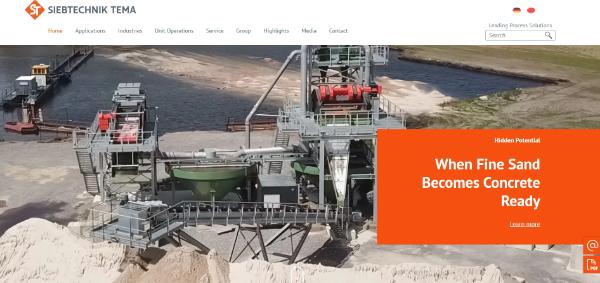
Source: Siebtechnik Tema Official Website
https://www.siebtechnik-tema.com/
https://www.siebtechnik-tema.com/
| Company Name | SIEBTECHNIK TEMA GmbH |
|---|---|
| Company Location | Platanenallee 46, 45478 Mülheim an der Ruhr, Germany |
| Branches and Distributors | China, U.S.A., Australia, Netherlands, France, Spain, UK |
| Official Website | https://www.siebtechnik-tema.com/ |
MURAKAMI SEIKI
Vibro Pot

Source: MURAKAMI SEIKI MFG. Official Website
https://www.murakami-seiki.co.jp/pages/26?detail=1&b_id=181&r_id=39#block181
https://www.murakami-seiki.co.jp/pages/26?detail=1&b_id=181&r_id=39#block181
| Pot Volume | 0.32 gal × 2–0.87 gal × 2 (1.2 L × 2–3.3 L × 2) |
|---|---|
| Media | High-carbon chromium steel, stainless steel, zirconia, alumina, and more |
| Lining | Stainless steel, ceramics such as alumina, and natural rubber lining |
| Process Type | Dry / Wet |
| Operation Mode | Batch |
| Examples of Materials Processed | Minerals, Building materials |
Source: MURAKAMI SEIKI MFG. CO., LTD. Official Website (https://www.murakami-seiki.co.jp/pages/26?detail=1&b_id=181&r_id=39#block181)
Company Overview:
MURAKAMI SEIKI
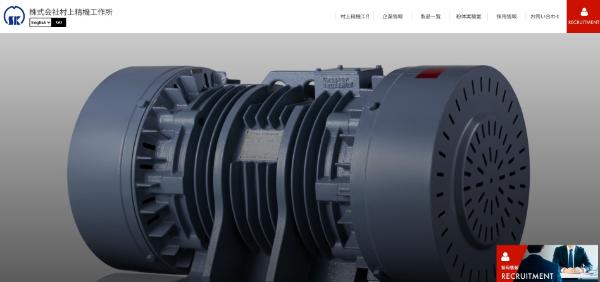
Source: MURAKAMI SEIKI MFG. Official Website
https://www.murakami-seiki.co.jp/
https://www.murakami-seiki.co.jp/
| Company Name | MURAKAMI SEIKI MFG. CO., LTD. |
|---|---|
| Company Location | 1-1 Dohoku-machi, Yahatanishi-ku, Kitakyushu City, Fukuoka Prefecture, Japan |
| Related Company | URAS TECHNO CO., LTD., Tokyo Sales Office (Engineering Department), Osaka Sales Office U.S. Office (Cleveland, Ohio) |
| Official Website | https://www.murakami-seiki.co.jp/en/ |
Xiamen Tmax
Battery Equipments
1-100L Optional
Vibrating Ball Mill Machine

Source: Xiamen Tmax Battery Equipments Limited Official Website (https://www.tmaxcn.com/1-100l-optional-vibrating-ball-mill-machine_p1778.html)
| Pot Volume | 0.26 gal–26.4 gal (1 L–100 L) |
|---|---|
| Media | Stainless steel mill balls, Zirconia mill balls, Alumina mill balls, PU mill balls, Carbon steel mill balls, Tungsten mill balls |
| Lining | Stainless steel, Ceramics, Zirconia, Glazed blocks, Nylon, PTFE, Food-grade rubber, Polyurethane |
| Process Type | Dry / Wet |
| Operation Mode | Continuous / Batch |
| Examples of Materials Processed | Electronic materials, ceramics, pigments, rubber compounds, and more |
Source: Xiamen Tmax Battery Equipments Limited Official Website (https://www.tmaxcn.com/1-100l-optional-vibrating-ball-mill-machine_p1778.html)
Company Overview: Xiamen Tmax
Battery Equipments
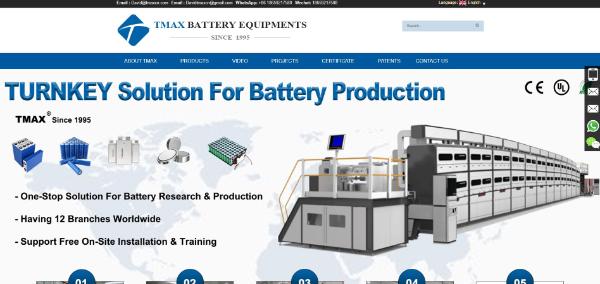
Source: Xiamen Tmax Battery Equipments Limited Official Website (https://www.tmaxcn.com/)
| Company Name | Xiamen Tmax Battery Equipments Limited |
|---|---|
| Company Location | No. 39, Xinchang Road, Xinyang, Haicang Dist., Xiamen, Fujian, China |
| Branches and Distributors | Not specified on the official website |
| Official Website | https://www.tmaxcn.com/ |
3 Recommended Vibratory Mills
by Material
by Material
Grinding Hard Metals
and Ceramics
For Electronic Materials and
Semiconductor Materials
and Ceramics
For Electronic Materials and
Semiconductor Materials
Model CD Vibration Mill
CHUO KAKOHKI
CHUO KAKOHKI
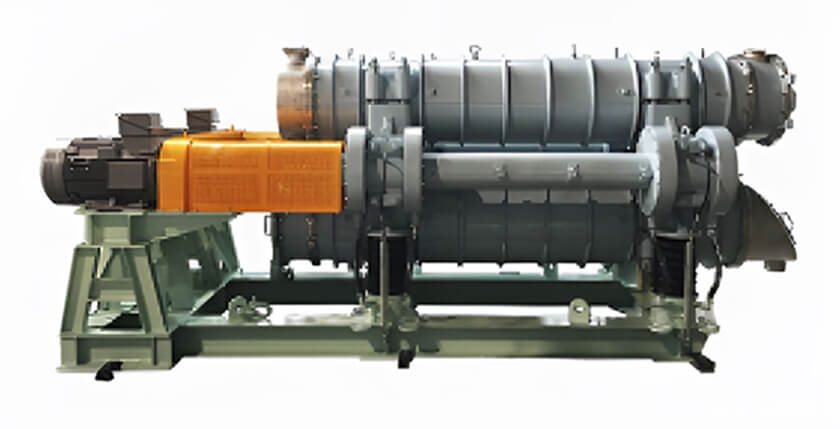
Source: CHUO KAKOHKI Official Website
(https://chuokakohki.com/products/mills)
Grinding Features
Designed for submicron grinding of advanced ceramics and electronic materials, including hard-to-grind SiC, with metal-free configuration options for high-purity processing. High-G impact energy enables both submicron grinding and mechanochemical processing, supporting advanced material development and alloy synthesis.
Maintenance Features
Unavoidable bearing replacement can be completed by simply swapping in a spare vibrator unit. This allows operation to resume quickly with minimal downtime.
- Pot Volume
- 17.2–803.2 gal (65–3,040 L)
- Media
- Steel, stainless steel, alumina, nylon
- Lining
- Steel, stainless steel, alumina, zirconia, rubber (polyurethane, NBR), nylon
- Process Type
- Dry / wet
- Operation Mode
- Continuous
- Laboratory
Test Model - Available
Show More
Grinding Battery Materials
and Carbon
For EV and
Energy Storage Production
and Carbon
For EV and
Energy Storage Production
Heavy-duty Vibration Grinders
Xiamen Tmax Battery Equipments
Xiamen Tmax Battery Equipments
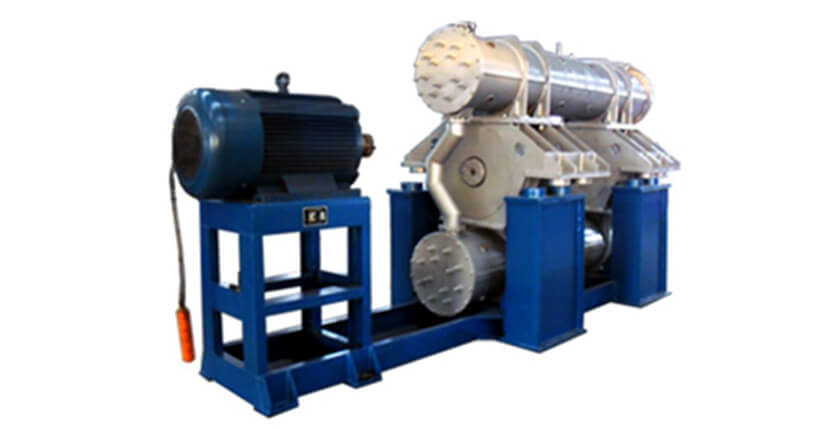
Source: TMAX Official Website
(https://www.tmaxcn.com/heavy-duty-vibration-grinder-for-large-scale-production_p3540.html)
Grinding Features
Supports contamination-controlled grinding for battery materials using low-cost metal-free liner and media options. Polyurethane lining combined with ceramic media such as alumina prevents metal contamination without the need for expensive ceramic liners.
Maintenance Features
It includes unlimited online technical support, helping users build a self-maintenance and servicing system while receiving technical guidance from the manufacturer.
- Pot Volume
- 26.4–317.0 gal (100–1,200 L)
- Media
- Zirconia, alumina, silicon nitride, agate, crystal glass, stainless steel, tungsten, high-wear-resistant steel, manganese steel, carbon steel, hard metal, cemented carbide, polyurethane balls, nylon, and more
- Lining
- Stainless steel, ceramic, zirconia, glazed block, nylon, PTFE, food-standard rubber, polyurethane
- Process Type
- Dry / wet
- Operation Mode
- Continuous
- Laboratory
Test Model - Available
Show More
Grinding Hard Scrap
and Industrial Waste
For Industrial Recycling and
Waste Processing
and Industrial Waste
For Industrial Recycling and
Waste Processing
Eccentric Vibrating Mills
SIEBTECHNIK TEMA
SIEBTECHNIK TEMA
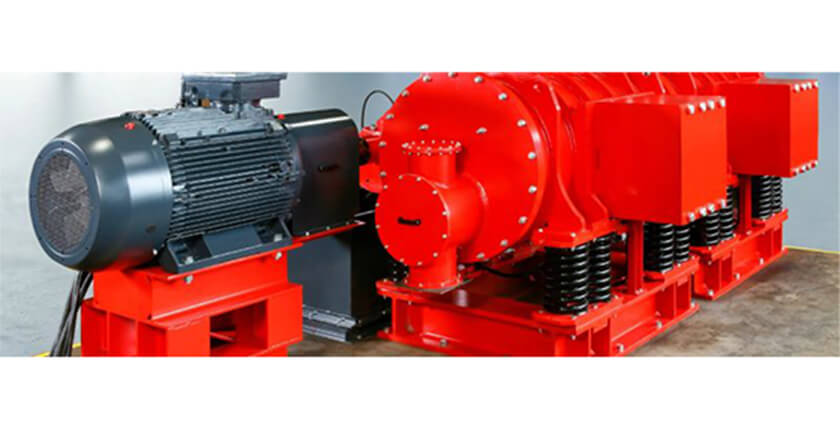
Source: SIEBTECHNIK TEMA Official Website
(https://www.siebtechnik-tema.com/unit_operation/eccentric-vibrating-mills/)
Grinding Features
Built for heavy-duty grinding of hard scrap and difficult industrial materials, including carbide waste and asbestos processing. It enables efficient recycling of tungsten and cemented carbide, and uses impact and heat to break down asbestos into fiber-free raw material.
Maintenance Features
For easier maintenance, the main drive components are installed outside the grinding cylinder, reducing the labor required for inspection and parts replacement.
- Pot Volume
- 2.9–502.5 gal (11–1,902 L)
- Media
- Steel, cemented carbide, ceramic, and more
- Lining
- Special steel, ceramic, rubberized
- Process Type
- Not specified on the official website
- Operation Mode
- Continuous / batch / automated batch
- Laboratory
Test Model - Available
Show More
*Source: TMAX Official Website (https://www.tmaxcn.com/1-100l-optional-vibrating-ball-mill-machine_p1778.html)
*Source: SIEBTECHNIK TEMA Official Website (https://www.siebtechnik-tema.com/unit_operation/eccentric-vibrating-mills/)
*Source: SIEBTECHNIK TEMA Official Website [PDF] (https://www.siebtechnik-tema.com/wp-content/uploads/2023/03/wb238e_Exzenterschwing_2025-1.pdf)
*Source: SIEBTECHNIK TEMA Official Website (https://www.siebtechnik-tema.com/unit_operation/eccentric-vibrating-mills/)
*Source: SIEBTECHNIK TEMA Official Website [PDF] (https://www.siebtechnik-tema.com/wp-content/uploads/2023/03/wb238e_Exzenterschwing_2025-1.pdf)