
The Vibratory Mill Selection Guide for Advanced Industries » Vibratory Mill Manufacturers » MicroGrinding Systems
MicroGrinding Systems
Index
Show More
MicroGrinding Systems, Inc. is a U.S. company that manufactures and sells the VibroKinetic Energy Mill (VKE mill) using its proprietary vibrational energy technology.
This article reviews and explains the features, product specifications, and examples of materials that can be processed by vibratory mills from MicroGrinding Systems.
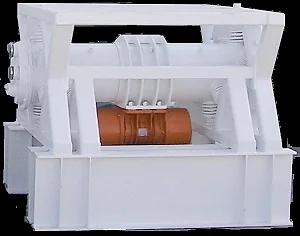
Source: MicroGrinding Systems Official Website "VKE Model 2080"
https://www.microgrind.com/m2080
https://www.microgrind.com/m2080
Features and Strengths
of MicroGrinding Systems
Vibratory Mills
High Energy Efficiency
Through a Unique
Spring Suspension System
MicroGrinding Systems’ VKE mill uses a design in which the grinding chamber is fully suspended by radially arranged springs. In addition to the energy supplied by the vibratory motor, it uses the rebound energy of the tuned spring system to improve grinding efficiency.
This enables energy savings compared with ball mills.
Flexible Grinding Capability
Down to the Submicron Range
The VKE mill supports both dry and wet grinding and allows a wide range of particle size adjustment, from coarse grinding to submicron ultrafine grinding. In dry grinding, combining the mill with an optional air classification system allows efficient recovery of fine powder while preventing over-grinding and achieving the desired particle size distribution.
Even high-hardness minerals and metal ores can be processed in a short time through high-speed, powerful impact force.
Basic Information: MicroGrinding Systems Vibratory Mills
| Process Type | Dry / Wet |
|---|---|
| Operation Mode | Continuous / Batch |
| Examples of Materials Processed | Various minerals and hard materials |
| Typical Applications | Ultrafine grinding, liberation and concentration of valuable metals, waste recycling, and nanoparticle production |
| Applicable Industries | Mining, chemicals, the ceramics industry, and the recycling industry |
| Test Machine | Available Please contact the manufacturer regarding costs (if a machine is purchased within six months of testing, the test fee will be fully deducted from the purchase price)* |
*Source: MicroGrinding Systems Official Brochure [PDF] (https://static1.squarespace.com/static/5b8876727c93275efa100254/t/5b9fc19e758d46cdbe81234e/1537196453154/Brochure+2016%5B855%5D.pdf)
Maintenance Features
of MicroGrinding Systems
Vibratory Mills
Because the vibratory motor is the only major moving part, the VKE mill has no complex drive system components, making maintenance easy. Wear parts are limited to the grinding media and liners, and replacement intervals depend on the abrasiveness of the material being ground. Its design allows quick motor replacement, helping reduce downtime and offering strong maintenance benefits.
Grinding Examples Using
MicroGrinding Systems
Vibratory Mills
No grinding examples using vibratory mills were listed on the official website.
For Companies Seeking
Fine Grinding
Without High Costs
MicroGrinding Systems’ VKE mill combines high energy efficiency with powerful grinding capability through its unique vibration mechanism. The VKE mill is a strong option for achieving fine grinding while keeping operating costs low. The VKE mill supports both wet and dry processing and integrates smoothly with classifiers, making it suitable for a wide range of manufacturing lines.
CHECK
Find the Right Vibratory Mill
for Your Material
for Your Material
The right vibratory mill varies depending on the material, such as metals, ceramics, LFP raw materials, and industrial waste.
This article reviews the specifications of vibratory mills for mass production and their industry-specific applications. It explains and compares vibratory mills suited to different materials based on differences in structure, vibration method, and processing capacity. Please refer to this article when selecting the right grinding machine.
Product Overview: MicroGrinding Systems Vibratory Mills
VKE Model 2080
Source: MicroGrinding Systems Official Website
https://www.microgrind.com/m2080
https://www.microgrind.com/m2080
This standard production model grinds hard materials from a 1/4-inch feed size to fine powder. Equipped with a 9 hp motor, it offers processing capacity comparable to conventional 60 hp ball mills while enabling finer grinding.
Specifications: VKE Model 2080
| Working Capacity | Maximum feed rate: 2,500 lb/hr (approx. 1.1 tons/hr) |
|---|---|
| Media | Steel, stainless steel, ceramic, and zircon media, including rods, balls, cylinders, and more |
| Lining | Rubber, urethane, stainless steel, steel, and AR400 wear-resistant plate |
| Process Type | Dry / Wet |
| Operation Mode | Continuous |
| Examples of Materials Processed | Various minerals and hard materials |
Source: MicroGrinding Systems Official Website (https://www.microgrind.com/m2080)
Source: MicroGrinding Systems Official Brochure [PDF](https://static1.squarespace.com/static/5b8876727c93275efa100254/t/5b9fc19e758d46cdbe81234e/1537196453154/Brochure+2016%5B855%5D.pdf)
VKE Model 3080

Source: MicroGrinding Systems Official Website
https://www.microgrind.com/m3080
https://www.microgrind.com/m3080
This is the highest-capacity model among MicroGrinding Systems’ vibratory mills. Equipped with two 9 hp motors, it offers a maximum processing capacity of 3 tons per hour for feed materials of 1/2 inch or less.
Specifications: VKE Model 3080
| Working Capacity | 2 - 3 tons/hr |
|---|---|
| Media | Steel balls, steel rods, ceramic media, and more |
| Lining | Rubber, urethane, stainless steel, steel, and AR400 wear-resistant plate |
| Process Type | Dry / Wet |
| Operation Mode | Continuous |
| Examples of Materials Processed | Ores and industrial materials requiring large-scale processing |
Source: MicroGrinding Systems Official Website (https://www.microgrind.com/m3080)
Source: MicroGrinding Systems Official Brochure [PDF](https://static1.squarespace.com/static/5b8876727c93275efa100254/t/5b9fc19e758d46cdbe81234e/1537196453154/Brochure+2016%5B855%5D.pdf)
Model 624 VKE

Source: MicroGrinding Systems Official Website
https://www.microgrind.com/m624
https://www.microgrind.com/m624
This is a tabletop laboratory mill. It is suitable for small batch tests and small-scale continuous production of up to 60 lb/hr. This model is used during research and development and pilot testing to obtain grinding data comparable to that of full-scale machines.
Specifications: Model 624 VKE
| Working Capacity | Maximum feed rate: 60 lb/hr (approx. 27 kg/hr) |
|---|---|
| Media | Steel rods, steel balls, and more |
| Lining | Stainless steel, rubber, urethane, and steel |
| Process Type | Dry / Wet |
| Operation Mode | Continuous / Batch |
| Examples of Materials Processed | Test samples and small production lots |
Source: MicroGrinding Systems Official Website (https://www.microgrind.com/m624)
Source: MicroGrinding Systems Official Brochure [PDF](https://static1.squarespace.com/static/5b8876727c93275efa100254/t/5b9fc19e758d46cdbe81234e/1537196453154/Brochure+2016%5B855%5D.pdf)
Company Overview: MicroGrinding Systems
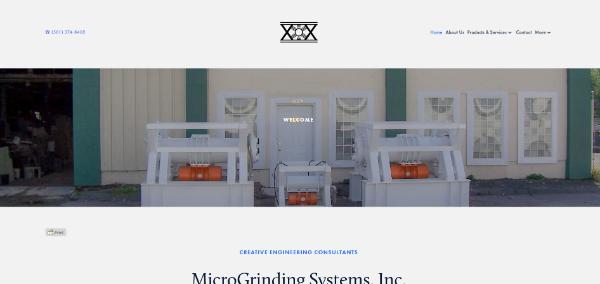
Source: MicroGrinding Systems Official Website
https://www.microgrind.com/
https://www.microgrind.com/
MicroGrinding Systems, Inc. originated from Creative Engineering Consultants, which was founded in 1978, and was established under its current name in 1988. The company is engaged in the development and manufacture of vibratory mills utilizing its knowledge of mineral grinding.
| Company Name | MicroGrinding Systems, Inc. |
|---|---|
| Company Location | 1823 East 17th Street, Little Rock, AR 72202 USA |
| Branches and Distributors | Not specified on the official website |
| Official Website | https://www.microgrind.com/ |
3 Recommended Vibratory Mills
by Material
by Material
Grinding Hard Metals
and Ceramics
For Electronic Materials and
Semiconductor Materials
and Ceramics
For Electronic Materials and
Semiconductor Materials
Model CD Vibration Mill
CHUO KAKOHKI
CHUO KAKOHKI
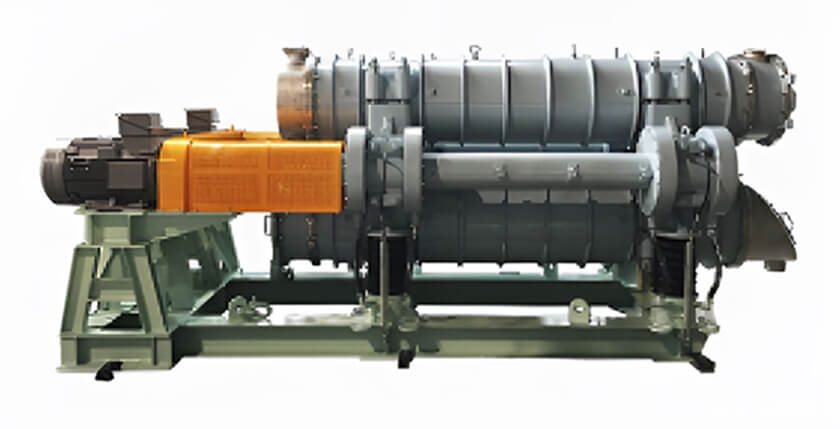
Source: CHUO KAKOHKI Official Website
(https://chuokakohki.com/products/mills)
Grinding Features
Designed for submicron grinding of advanced ceramics and electronic materials, including hard-to-grind SiC, with metal-free configuration options for high-purity processing. High-G impact energy enables both submicron grinding and mechanochemical processing, supporting advanced material development and alloy synthesis.
Maintenance Features
Unavoidable bearing replacement can be completed by simply swapping in a spare vibrator unit. This allows operation to resume quickly with minimal downtime.
- Pot Volume
- 17.2–803.2 gal (65–3,040 L)
- Media
- Steel, stainless steel, alumina, nylon
- Lining
- Steel, stainless steel, alumina, zirconia, rubber (polyurethane, NBR), nylon
- Process Type
- Dry / wet
- Operation Mode
- Continuous
- Laboratory
Test Model - Available
Show More
Grinding Battery Materials
and Carbon
For EV and
Energy Storage Production
and Carbon
For EV and
Energy Storage Production
Heavy-duty Vibration Grinders
Xiamen Tmax Battery Equipments
Xiamen Tmax Battery Equipments
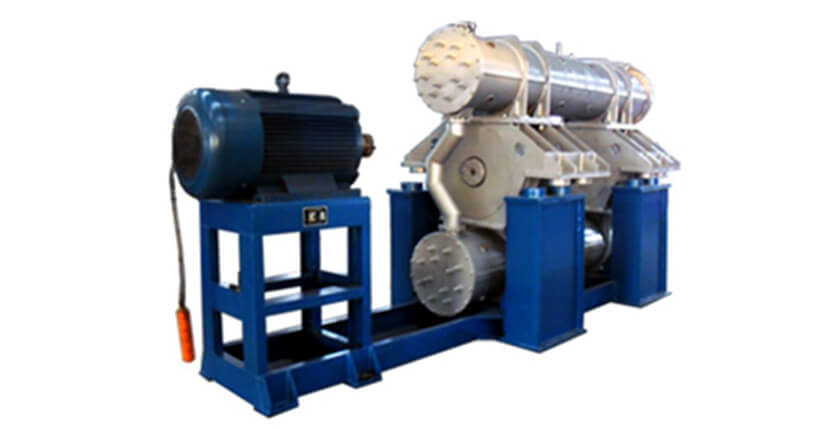
Source: TMAX Official Website
(https://www.tmaxcn.com/heavy-duty-vibration-grinder-for-large-scale-production_p3540.html)
Grinding Features
Supports contamination-controlled grinding for battery materials using low-cost metal-free liner and media options. Polyurethane lining combined with ceramic media such as alumina prevents metal contamination without the need for expensive ceramic liners.
Maintenance Features
It includes unlimited online technical support, helping users build a self-maintenance and servicing system while receiving technical guidance from the manufacturer.
- Pot Volume
- 26.4–317.0 gal (100–1,200 L)
- Media
- Zirconia, alumina, silicon nitride, agate, crystal glass, stainless steel, tungsten, high-wear-resistant steel, manganese steel, carbon steel, hard metal, cemented carbide, polyurethane balls, nylon, and more
- Lining
- Stainless steel, ceramic, zirconia, glazed block, nylon, PTFE, food-standard rubber, polyurethane
- Process Type
- Dry / wet
- Operation Mode
- Continuous
- Laboratory
Test Model - Available
Show More
Grinding Hard Scrap
and Industrial Waste
For Industrial Recycling and
Waste Processing
and Industrial Waste
For Industrial Recycling and
Waste Processing
Eccentric Vibrating Mills
SIEBTECHNIK TEMA
SIEBTECHNIK TEMA
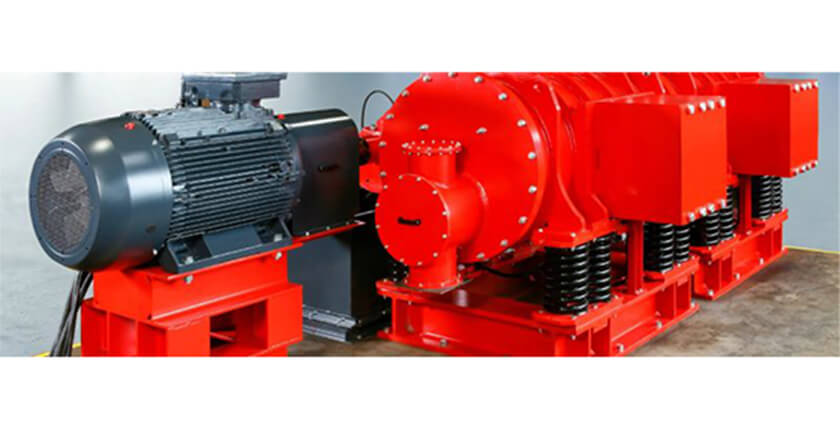
Source: SIEBTECHNIK TEMA Official Website
(https://www.siebtechnik-tema.com/unit_operation/eccentric-vibrating-mills/)
Grinding Features
Built for heavy-duty grinding of hard scrap and difficult industrial materials, including carbide waste and asbestos processing. It enables efficient recycling of tungsten and cemented carbide, and uses impact and heat to break down asbestos into fiber-free raw material.
Maintenance Features
For easier maintenance, the main drive components are installed outside the grinding cylinder, reducing the labor required for inspection and parts replacement.
- Pot Volume
- 2.9–502.5 gal (11–1,902 L)
- Media
- Steel, cemented carbide, ceramic, and more
- Lining
- Special steel, ceramic, rubberized
- Process Type
- Not specified on the official website
- Operation Mode
- Continuous / batch / automated batch
- Laboratory
Test Model - Available
Show More
*Source: TMAX Official Website (https://www.tmaxcn.com/1-100l-optional-vibrating-ball-mill-machine_p1778.html)
*Source: SIEBTECHNIK TEMA Official Website (https://www.siebtechnik-tema.com/unit_operation/eccentric-vibrating-mills/)
*Source: SIEBTECHNIK TEMA Official Website [PDF] (https://www.siebtechnik-tema.com/wp-content/uploads/2023/03/wb238e_Exzenterschwing_2025-1.pdf)
*Source: SIEBTECHNIK TEMA Official Website (https://www.siebtechnik-tema.com/unit_operation/eccentric-vibrating-mills/)
*Source: SIEBTECHNIK TEMA Official Website [PDF] (https://www.siebtechnik-tema.com/wp-content/uploads/2023/03/wb238e_Exzenterschwing_2025-1.pdf)