
The Vibratory Mill Selection Guide for Advanced Industries » Vibratory Mills by Material » Vibratory Mill for Slag
Vibratory Mill for Slag
Turning blast furnace slag or fly ash into a cement replacement material takes more than reducing particle size. It requires breaking down the material's glassy structure enough to make it chemically reactive, at volumes that match the construction materials market rather than a specialty chemical batch. This article explains why vibratory mills suit slag activation, how to manage the abrasive wear that comes with processing it at scale, and how particle fineness affects the finished cement product.
Why Vibratory Mills Suit Mechanical Activation of Slag
Granulated blast furnace slag is mostly glassy in structure, and that glassy structure has to be disrupted before the material becomes reactive enough to replace a meaningful share of Portland cement in concrete.
Vibratory mills combine grinding and structural disruption in the same process, since the same high-frequency impact that reduces particle size also breaks down the glassy network that keeps untreated slag chemically inert. This is a different job than the fine grinding vibratory mills do for purity-critical materials, where breaking down crystal structure would be a defect rather than the goal.
Managing Abrasive Wear at High Volume
Slag is hard and abrasive, and construction material producers process it at volumes that would wear through a lining built for lower-throughput specialty applications within weeks.
Matching the lining and media to sustained high-volume operation keeps this manageable. Durable steel or wear-resistant linings suited to continuous, high-tonnage runs hold up better here than the ceramic linings used for purity-critical materials, since slag processing does not carry the same contamination sensitivity.
Particle Fineness for Cement Performance
Ground granulated blast furnace slag has to reach a specific fineness, commonly measured by Blaine surface area, before it contributes meaningfully to the strength development of concrete it is mixed into.
Grinding too coarse leaves slag largely inert, while reaching the fineness threshold where slag becomes reactive is what allows it to replace a real percentage of cement rather than acting as inert filler. Vibratory mills let you dial in this fineness through processing time and impact intensity.
Wet and Dry Processing for Slag and Fly Ash
| Dry Processing | The standard route for ground granulated blast furnace slag and fly ash, matching how these materials are handled and blended in cement production. |
|---|---|
| Wet Processing | Used less often for slag activation, though it can suit specific formulations where the material moves directly into a slurry-based process. |
Dry processing dominates this application because it matches the existing material handling infrastructure at most cement and concrete plants.
Applications in Green Cement and Construction Materials
Cement producers grind blast furnace slag into a supplementary cementitious material that reduces the amount of Portland cement clinker needed per ton of finished cement, which lowers the carbon footprint of the concrete it goes into. Fly ash producers process coal combustion byproduct the same way, turning what would otherwise be industrial waste into a usable construction material.
Ready-mix concrete producers blend these activated materials into their mix designs to reduce embodied carbon, a factor now under direct scrutiny: LEED v5 makes embodied-carbon assessment a prerequisite for all certified projects, with additional credits available for measurable reductions using supplementary cementitious materials like ground granulated slag.
Selecting a Vibratory Mill for Slag Processing
Slag processing succeeds on reaching the reactivity and fineness that make it useful as a cement replacement, not on grinding volume alone. Vibratory mills combine particle size reduction with the structural disruption that activates slag, while wear-resistant lining options keep the mill running through the high-volume, abrasive conditions construction material production demands.
CHECK
Find the Right Vibratory Mill
for Your Material
for Your Material
The right vibratory mill varies depending on the difficult-to-grind material, such as SiC or fine ceramics.
This article reviews the specifications of vibratory mills for mass production and their industry-specific applications. It compares vibratory mills suited to each material based on differences in available lining materials, grinding media, and processing capacity. Please refer to this article when selecting the right grinding machine.
3 Recommended Vibratory Mills
by Material
by Material
Grinding Hard Metals
and Ceramics
For Electronic Materials and
Semiconductor Materials
and Ceramics
For Electronic Materials and
Semiconductor Materials
Model CD Vibration Mill
CHUO KAKOHKI
CHUO KAKOHKI
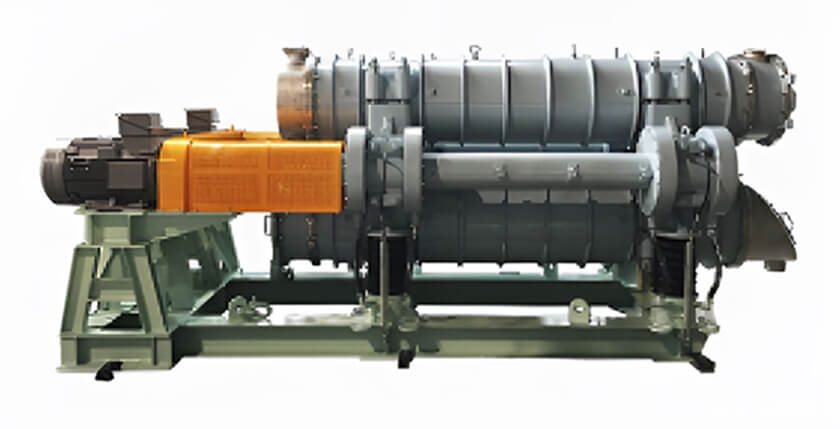
Source: CHUO KAKOHKI Official Website
(https://chuokakohki.com/products/mills)
Grinding Features
Designed for submicron grinding of advanced ceramics and electronic materials, including hard-to-grind SiC, with metal-free configuration options for high-purity processing. High-G impact energy enables both submicron grinding and mechanochemical processing, supporting advanced material development and alloy synthesis.
Maintenance Features
Unavoidable bearing replacement can be completed by simply swapping in a spare vibrator unit. This allows operation to resume quickly with minimal downtime.
- Pot Volume
- 17.2–803.2 gal (65–3,040 L)
- Media
- Steel, stainless steel, alumina, nylon
- Lining
- Steel, stainless steel, alumina, zirconia, rubber (polyurethane, NBR), nylon
- Process Type
- Dry / wet
- Operation Mode
- Continuous
- Laboratory
Test Model - Available
Show More
Grinding Battery Materials
and Carbon
For EV and
Energy Storage Production
and Carbon
For EV and
Energy Storage Production
Heavy-duty Vibration Grinders
Xiamen Tmax Battery Equipments
Xiamen Tmax Battery Equipments
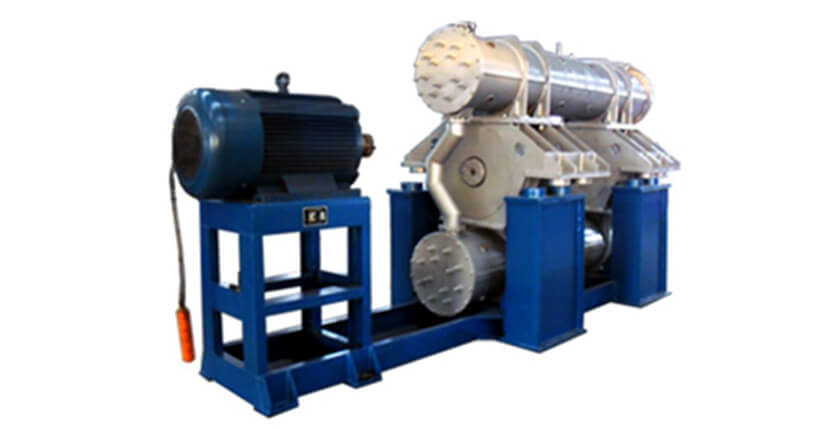
Source: TMAX Official Website
(https://www.tmaxcn.com/heavy-duty-vibration-grinder-for-large-scale-production_p3540.html)
Grinding Features
Supports contamination-controlled grinding for battery materials using low-cost metal-free liner and media options. Polyurethane lining combined with ceramic media such as alumina prevents metal contamination without the need for expensive ceramic liners.
Maintenance Features
It includes unlimited online technical support, helping users build a self-maintenance and servicing system while receiving technical guidance from the manufacturer.
- Pot Volume
- 26.4–317.0 gal (100–1,200 L)
- Media
- Zirconia, alumina, silicon nitride, agate, crystal glass, stainless steel, tungsten, high-wear-resistant steel, manganese steel, carbon steel, hard metal, cemented carbide, polyurethane balls, nylon, and more
- Lining
- Stainless steel, ceramic, zirconia, glazed block, nylon, PTFE, food-standard rubber, polyurethane
- Process Type
- Dry / wet
- Operation Mode
- Continuous
- Laboratory
Test Model - Available
Show More
Grinding Hard Scrap
and Industrial Waste
For Industrial Recycling and
Waste Processing
and Industrial Waste
For Industrial Recycling and
Waste Processing
Eccentric Vibrating Mills
SIEBTECHNIK TEMA
SIEBTECHNIK TEMA
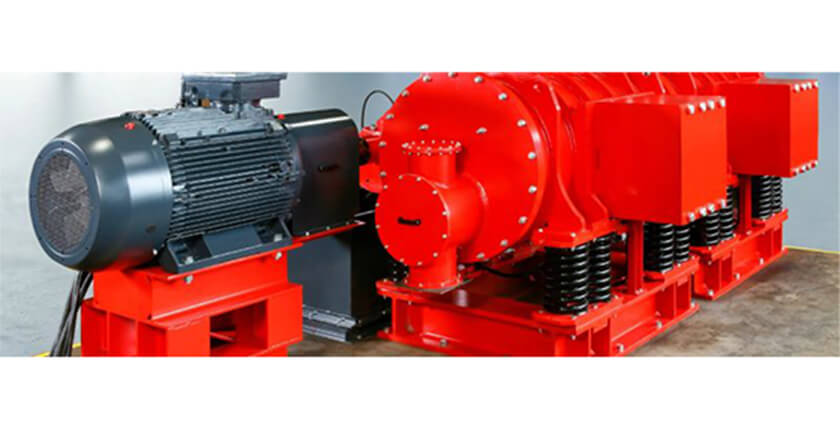
Source: SIEBTECHNIK TEMA Official Website
(https://www.siebtechnik-tema.com/unit_operation/eccentric-vibrating-mills/)
Grinding Features
Built for heavy-duty grinding of hard scrap and difficult industrial materials, including carbide waste and asbestos processing. It enables efficient recycling of tungsten and cemented carbide, and uses impact and heat to break down asbestos into fiber-free raw material.
Maintenance Features
For easier maintenance, the main drive components are installed outside the grinding cylinder, reducing the labor required for inspection and parts replacement.
- Pot Volume
- 2.9–502.5 gal (11–1,902 L)
- Media
- Steel, cemented carbide, ceramic, and more
- Lining
- Special steel, ceramic, rubberized
- Process Type
- Not specified on the official website
- Operation Mode
- Continuous / batch / automated batch
- Laboratory
Test Model - Available
Show More
*Source: TMAX Official Website (https://www.tmaxcn.com/1-100l-optional-vibrating-ball-mill-machine_p1778.html)
*Source: SIEBTECHNIK TEMA Official Website (https://www.siebtechnik-tema.com/unit_operation/eccentric-vibrating-mills/)
*Source: SIEBTECHNIK TEMA Official Website [PDF] (https://www.siebtechnik-tema.com/wp-content/uploads/2023/03/wb238e_Exzenterschwing_2025-1.pdf)
*Source: SIEBTECHNIK TEMA Official Website (https://www.siebtechnik-tema.com/unit_operation/eccentric-vibrating-mills/)
*Source: SIEBTECHNIK TEMA Official Website [PDF] (https://www.siebtechnik-tema.com/wp-content/uploads/2023/03/wb238e_Exzenterschwing_2025-1.pdf)