
The Vibratory Mill Selection Guide for Advanced Industries » Vibratory Mills by Material » Vibratory Mill for Solid Electrolyte
Vibratory Mill for Solid Electrolyte
H1: Title tag (s-title): Meta description (s-description): Slug: 対策KW: vibratory mill for solid electrolyteSolid-state battery developers need solid electrolytes processed under conditions that keep moisture and air away from materials that react dangerously or lose ionic conductivity on exposure to either. This article explains why vibratory mills support solid electrolyte synthesis, how to manage the moisture sensitivity common to sulfide-based materials, and what to check before scaling from lab research to production.
Why Vibratory Mills Support Solid Electrolyte Synthesis
Producing a solid electrolyte is not always just grinding. Many sulfide-based formulations are made through mechanochemical synthesis, where repeated mechanical impact drives a solid-state reaction between precursor powders instead of relying on heat.
Vibratory mills deliver this through sustained high-frequency impact rather than the slower tumbling of a rotating drum, which supplies the mechanical energy mechanochemical synthesis needs more consistently than a conventional ball mill.
Managing Moisture and Air Sensitivity During Processing
Sulfide-based solid electrolytes react with moisture in the air, and that reaction can release hydrogen sulfide gas, a safety hazard that also degrades the material's ionic conductivity as the reaction progresses.
Processing has to happen in a sealed environment purged with inert gas to prevent this. A vibratory mill with a fully sealed grinding chamber and inert gas purging keeps the material isolated from ambient air throughout synthesis, rather than exposing it during transfer between separate mixing and reaction equipment.
Contamination Control for Ionic Conductivity
Trace metal contamination in a solid electrolyte does not just reduce purity on paper. It can create resistive interfaces within the material that slow ion movement, which shows up later as reduced battery performance rather than as an obvious defect.
Vibratory mills manage this through lining and media selection matched to the material, with autogenous or ceramic-media grinding keeping wear particles from introducing a foreign element into an ion-conducting pathway.
Wet and Dry Processing for Solid Electrolyte Materials
| Dry Processing | The standard route for moisture-sensitive sulfide electrolytes, since it avoids introducing water or aqueous solvents entirely during synthesis. |
|---|---|
| Wet Processing | Limited to non-aqueous solvent systems for select electrolyte chemistries, and only when the solvent itself has been confirmed not to react with the material. |
For most sulfide-based development work, dry synthesis under inert atmosphere is the default starting point rather than an exception to plan around.
Applications in Solid-State Battery Development
EV battery developers use solid electrolyte synthesis to support next-generation cells that aim to replace flammable liquid electrolytes with a safer, higher-energy-density alternative. Consumer electronics makers pursue the same chemistry for thinner, safer battery packs in wearables and mobile devices.
Research teams scaling from lab-scale batch trials toward pilot production need equipment that keeps the same sealed, inert-atmosphere processing at both scales, since switching synthesis methods between lab and production risks changing the material's electrochemical performance.
Selecting a Vibratory Mill for Solid Electrolyte Processing
Solid electrolyte processing succeeds or fails on keeping moisture and contamination out while supplying enough mechanical energy to drive synthesis. Vibratory mills address this through sealed, inert-gas-capable chambers and high-frequency impact, giving developers a consistent process from lab-scale synthesis through production scale-up.
CHECK
Find the Right Vibratory Mill
for Your Material
for Your Material
The right vibratory mill varies depending on the difficult-to-grind material, such as SiC or fine ceramics.
This article reviews the specifications of vibratory mills for mass production and their industry-specific applications. It compares vibratory mills suited to each material based on differences in available lining materials, grinding media, and processing capacity. Please refer to this article when selecting the right grinding machine.
3 Recommended Vibratory Mills
by Material
by Material
Grinding Hard Metals
and Ceramics
For Electronic Materials and
Semiconductor Materials
and Ceramics
For Electronic Materials and
Semiconductor Materials
Model CD Vibration Mill
CHUO KAKOHKI
CHUO KAKOHKI
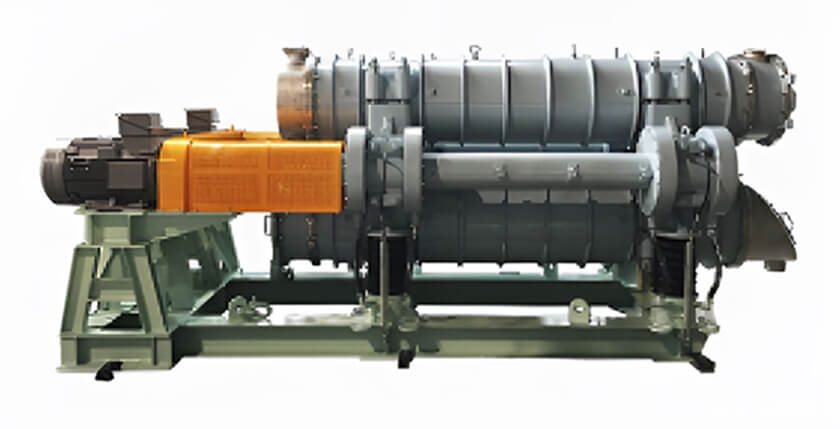
Source: CHUO KAKOHKI Official Website
(https://chuokakohki.com/products/mills)
Grinding Features
Designed for submicron grinding of advanced ceramics and electronic materials, including hard-to-grind SiC, with metal-free configuration options for high-purity processing. High-G impact energy enables both submicron grinding and mechanochemical processing, supporting advanced material development and alloy synthesis.
Maintenance Features
Unavoidable bearing replacement can be completed by simply swapping in a spare vibrator unit. This allows operation to resume quickly with minimal downtime.
- Pot Volume
- 17.2–803.2 gal (65–3,040 L)
- Media
- Steel, stainless steel, alumina, nylon
- Lining
- Steel, stainless steel, alumina, zirconia, rubber (polyurethane, NBR), nylon
- Process Type
- Dry / wet
- Operation Mode
- Continuous
- Laboratory
Test Model - Available
Show More
Grinding Battery Materials
and Carbon
For EV and
Energy Storage Production
and Carbon
For EV and
Energy Storage Production
Heavy-duty Vibration Grinders
Xiamen Tmax Battery Equipments
Xiamen Tmax Battery Equipments
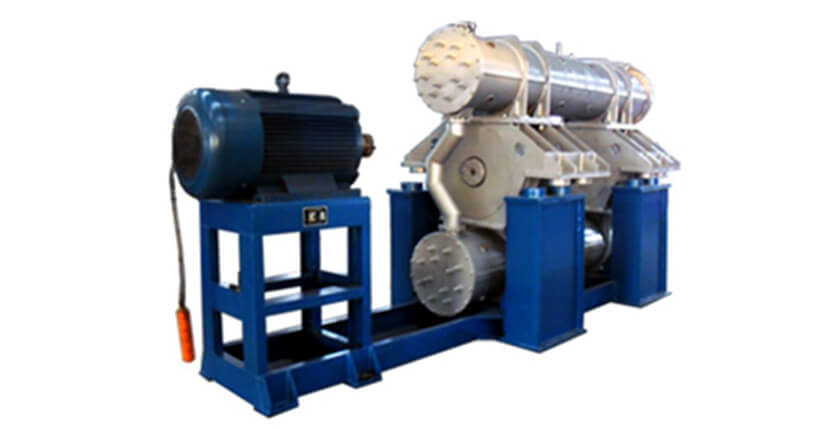
Source: TMAX Official Website
(https://www.tmaxcn.com/heavy-duty-vibration-grinder-for-large-scale-production_p3540.html)
Grinding Features
Supports contamination-controlled grinding for battery materials using low-cost metal-free liner and media options. Polyurethane lining combined with ceramic media such as alumina prevents metal contamination without the need for expensive ceramic liners.
Maintenance Features
It includes unlimited online technical support, helping users build a self-maintenance and servicing system while receiving technical guidance from the manufacturer.
- Pot Volume
- 26.4–317.0 gal (100–1,200 L)
- Media
- Zirconia, alumina, silicon nitride, agate, crystal glass, stainless steel, tungsten, high-wear-resistant steel, manganese steel, carbon steel, hard metal, cemented carbide, polyurethane balls, nylon, and more
- Lining
- Stainless steel, ceramic, zirconia, glazed block, nylon, PTFE, food-standard rubber, polyurethane
- Process Type
- Dry / wet
- Operation Mode
- Continuous
- Laboratory
Test Model - Available
Show More
Grinding Hard Scrap
and Industrial Waste
For Industrial Recycling and
Waste Processing
and Industrial Waste
For Industrial Recycling and
Waste Processing
Eccentric Vibrating Mills
SIEBTECHNIK TEMA
SIEBTECHNIK TEMA
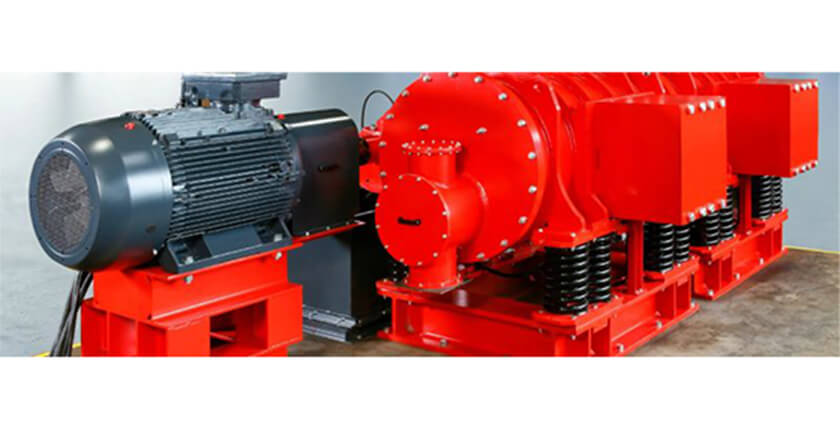
Source: SIEBTECHNIK TEMA Official Website
(https://www.siebtechnik-tema.com/unit_operation/eccentric-vibrating-mills/)
Grinding Features
Built for heavy-duty grinding of hard scrap and difficult industrial materials, including carbide waste and asbestos processing. It enables efficient recycling of tungsten and cemented carbide, and uses impact and heat to break down asbestos into fiber-free raw material.
Maintenance Features
For easier maintenance, the main drive components are installed outside the grinding cylinder, reducing the labor required for inspection and parts replacement.
- Pot Volume
- 2.9–502.5 gal (11–1,902 L)
- Media
- Steel, cemented carbide, ceramic, and more
- Lining
- Special steel, ceramic, rubberized
- Process Type
- Not specified on the official website
- Operation Mode
- Continuous / batch / automated batch
- Laboratory
Test Model - Available
Show More
*Source: TMAX Official Website (https://www.tmaxcn.com/1-100l-optional-vibrating-ball-mill-machine_p1778.html)
*Source: SIEBTECHNIK TEMA Official Website (https://www.siebtechnik-tema.com/unit_operation/eccentric-vibrating-mills/)
*Source: SIEBTECHNIK TEMA Official Website [PDF] (https://www.siebtechnik-tema.com/wp-content/uploads/2023/03/wb238e_Exzenterschwing_2025-1.pdf)
*Source: SIEBTECHNIK TEMA Official Website (https://www.siebtechnik-tema.com/unit_operation/eccentric-vibrating-mills/)
*Source: SIEBTECHNIK TEMA Official Website [PDF] (https://www.siebtechnik-tema.com/wp-content/uploads/2023/03/wb238e_Exzenterschwing_2025-1.pdf)