
The Vibratory Mill Selection Guide for Advanced Industries » Vibratory Mills by Material » Vibratory Mill for Graphite
Vibratory Mill for Graphite
Graphite anode material performs well or poorly based on particle shape and size distribution more than on grinding away any real hardness, and battery makers need consistent supply of it as electric vehicle and consumer battery production scales up. This article explains why shape control matters more than raw grinding force for graphite, how to keep iron contamination out of a material where it becomes a safety risk, and how to manage graphite's dust and flammability during processing.
Why Graphite Grinding Is About Shape, Not Just Size
Natural and synthetic graphite start out as flat, plate-like particles, and that shape packs poorly and unevenly into an anode coating. Battery makers spheroidize graphite, rounding those flakes into a more uniform shape, to reach the packing density and consistent capacity an anode needs.
Vibratory mills apply repeated impact from many directions rather than the single-plane tumbling of a rotating drum, which rounds flake-shaped graphite particles more effectively than equipment built mainly to reduce particle size on hard, brittle materials.
Iron Contamination Control for Battery Safety
Iron contamination in graphite anode material is not a quality issue to manage on a spec sheet. Even trace amounts can migrate through the electrolyte and cause an internal short circuit once the battery is assembled, which makes it a safety issue rather than a performance one.
Vibratory mills address this the same way they do for other contamination-sensitive materials: matching the lining and grinding media to the material, with non-metallic or same-material media keeping any wear particles from introducing the iron that graphite anode specifications cannot tolerate.
Managing Dust and Flammability During Processing
Fine graphite powder is a combustible dust, and grinding equipment that is not built to contain it creates both a fire risk and a cleanup problem that eats into production uptime.
A vibratory mill with a fully sealed grinding chamber keeps fine graphite dust contained during processing, rather than relying on external dust collection to catch what an open system releases.
Wet and Dry Processing for Graphite Anode Material
| Dry Processing | The common route for shaping and classifying graphite particles before they are mixed into an anode slurry downstream. |
|---|---|
| Wet Processing | Used when graphite needs to be dispersed directly into a slurry-ready form, reducing a separate mixing step later in the process. |
Most graphite processing for anode material favors dry shaping first, since it keeps the material in a form that downstream coating processes can still adjust.
Applications in EV and Consumer Battery Anodes
EV battery makers process both natural and synthetic graphite into anode material, often blending the two to balance cost against the more consistent particle shape synthetic graphite offers. Consumer electronics battery makers rely on the same shaped graphite for the thinner, more energy-dense cells used in phones, laptops, and wearables.
As battery production scales domestically, manufacturers processing graphite in-house rather than importing pre-shaped material gain more direct control over the particle characteristics their cell design depends on.
Selecting a Vibratory Mill for Graphite Processing
Graphite anode processing comes down to shaping particles consistently while keeping iron and dust under control, not grinding away hardness the material does not have. Vibratory mills address all three through multi-directional impact, contamination-conscious lining and media, and a sealed chamber that contains combustible dust.
CHECK
Find the Right Vibratory Mill
for Your Material
for Your Material
The right vibratory mill varies depending on the difficult-to-grind material, such as SiC or fine ceramics.
This article reviews the specifications of vibratory mills for mass production and their industry-specific applications. It compares vibratory mills suited to each material based on differences in available lining materials, grinding media, and processing capacity. Please refer to this article when selecting the right grinding machine.
3 Recommended Vibratory Mills
by Material
by Material
Grinding Hard Metals
and Ceramics
For Electronic Materials and
Semiconductor Materials
and Ceramics
For Electronic Materials and
Semiconductor Materials
Model CD Vibration Mill
CHUO KAKOHKI
CHUO KAKOHKI
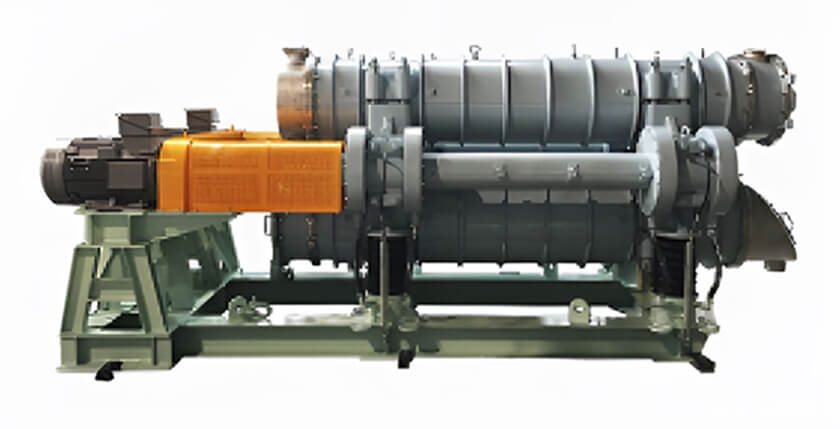
Source: CHUO KAKOHKI Official Website
(https://chuokakohki.com/products/mills)
Grinding Features
Designed for submicron grinding of advanced ceramics and electronic materials, including hard-to-grind SiC, with metal-free configuration options for high-purity processing. High-G impact energy enables both submicron grinding and mechanochemical processing, supporting advanced material development and alloy synthesis.
Maintenance Features
Unavoidable bearing replacement can be completed by simply swapping in a spare vibrator unit. This allows operation to resume quickly with minimal downtime.
- Pot Volume
- 17.2–803.2 gal (65–3,040 L)
- Media
- Steel, stainless steel, alumina, nylon
- Lining
- Steel, stainless steel, alumina, zirconia, rubber (polyurethane, NBR), nylon
- Process Type
- Dry / wet
- Operation Mode
- Continuous
- Laboratory
Test Model - Available
Show More
Grinding Battery Materials
and Carbon
For EV and
Energy Storage Production
and Carbon
For EV and
Energy Storage Production
Heavy-duty Vibration Grinders
Xiamen Tmax Battery Equipments
Xiamen Tmax Battery Equipments
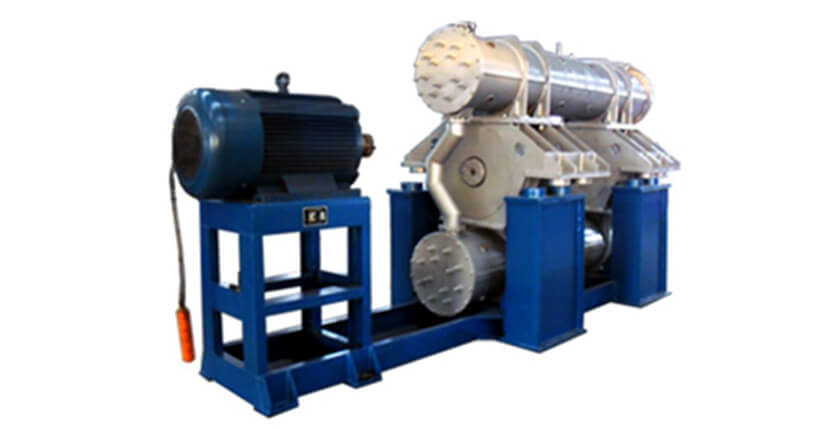
Source: TMAX Official Website
(https://www.tmaxcn.com/heavy-duty-vibration-grinder-for-large-scale-production_p3540.html)
Grinding Features
Supports contamination-controlled grinding for battery materials using low-cost metal-free liner and media options. Polyurethane lining combined with ceramic media such as alumina prevents metal contamination without the need for expensive ceramic liners.
Maintenance Features
It includes unlimited online technical support, helping users build a self-maintenance and servicing system while receiving technical guidance from the manufacturer.
- Pot Volume
- 26.4–317.0 gal (100–1,200 L)
- Media
- Zirconia, alumina, silicon nitride, agate, crystal glass, stainless steel, tungsten, high-wear-resistant steel, manganese steel, carbon steel, hard metal, cemented carbide, polyurethane balls, nylon, and more
- Lining
- Stainless steel, ceramic, zirconia, glazed block, nylon, PTFE, food-standard rubber, polyurethane
- Process Type
- Dry / wet
- Operation Mode
- Continuous
- Laboratory
Test Model - Available
Show More
Grinding Hard Scrap
and Industrial Waste
For Industrial Recycling and
Waste Processing
and Industrial Waste
For Industrial Recycling and
Waste Processing
Eccentric Vibrating Mills
SIEBTECHNIK TEMA
SIEBTECHNIK TEMA
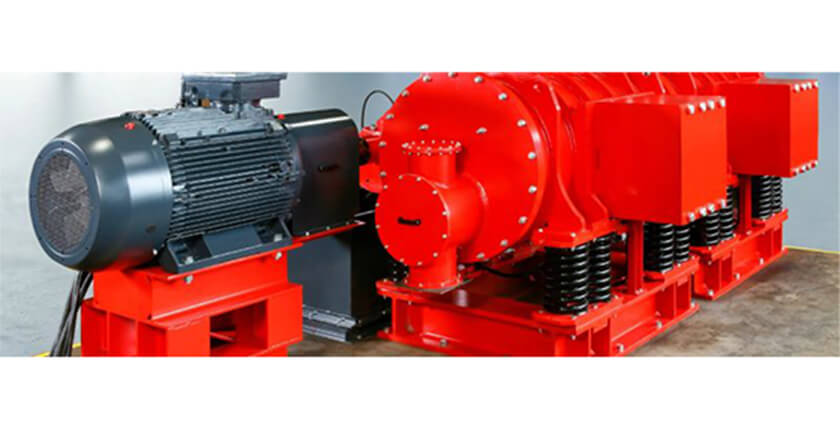
Source: SIEBTECHNIK TEMA Official Website
(https://www.siebtechnik-tema.com/unit_operation/eccentric-vibrating-mills/)
Grinding Features
Built for heavy-duty grinding of hard scrap and difficult industrial materials, including carbide waste and asbestos processing. It enables efficient recycling of tungsten and cemented carbide, and uses impact and heat to break down asbestos into fiber-free raw material.
Maintenance Features
For easier maintenance, the main drive components are installed outside the grinding cylinder, reducing the labor required for inspection and parts replacement.
- Pot Volume
- 2.9–502.5 gal (11–1,902 L)
- Media
- Steel, cemented carbide, ceramic, and more
- Lining
- Special steel, ceramic, rubberized
- Process Type
- Not specified on the official website
- Operation Mode
- Continuous / batch / automated batch
- Laboratory
Test Model - Available
Show More
*Source: TMAX Official Website (https://www.tmaxcn.com/1-100l-optional-vibrating-ball-mill-machine_p1778.html)
*Source: SIEBTECHNIK TEMA Official Website (https://www.siebtechnik-tema.com/unit_operation/eccentric-vibrating-mills/)
*Source: SIEBTECHNIK TEMA Official Website [PDF] (https://www.siebtechnik-tema.com/wp-content/uploads/2023/03/wb238e_Exzenterschwing_2025-1.pdf)
*Source: SIEBTECHNIK TEMA Official Website (https://www.siebtechnik-tema.com/unit_operation/eccentric-vibrating-mills/)
*Source: SIEBTECHNIK TEMA Official Website [PDF] (https://www.siebtechnik-tema.com/wp-content/uploads/2023/03/wb238e_Exzenterschwing_2025-1.pdf)