
The Vibratory Mill Selection Guide for Advanced Industries » Vibratory Mills by Material » Vibratory Mill for Technical Ceramics
Vibratory Mill for Technical Ceramics
Mechanical seals, bearings, and cutting tools depend on technical ceramics ground to a precise particle size and shape, since even small inconsistencies can shorten a part's service life under constant friction and load. This article explains why vibratory mills suit technical ceramics processing, how to manage wear during high-hardness grinding, and how to choose between wet and dry methods for parts manufacturing.
Why Vibratory Mills Suit Technical Ceramics
for Mechanical Components
Technical ceramics such as alumina, zirconia, and silicon nitride are selected for mechanical parts precisely because they are hard to wear down, which is the same property that makes them difficult to grind with conventional equipment.
Vibratory mills apply impact and shear force directly through high-frequency vibration rather than relying on the slower tumbling action of a rotating drum. This lets them process hard technical ceramics into fine, consistent powder in a fraction of the time a standard ball mill would need, without requiring a separate pre-crushing stage.
Particle Size and Shape Control
for Wear-Resistant Parts
A mechanical seal or bearing race is only as reliable as the powder it was pressed from. Uneven particle size leaves voids after sintering, and those voids become the point where a part cracks first under load.
Vibratory mills let you dial in both the target particle size and its distribution by adjusting vibration amplitude, frequency, and processing time. Tighter particle size distribution translates directly into more uniform density after pressing and sintering, which is what gives finished seals and bearings consistent wear performance from part to part.
Managing Abrasive Wear
During High-Hardness Grinding
Grinding the same hard materials that make good wear parts also wears down the mill itself, and a lining that degrades unevenly changes the particle size distribution mid-batch without any obvious warning sign.
Matching the lining and media to the material being ground keeps this predictable. Urethane or rubber linings absorb impact with less wear when full hardness is not required, while ceramic-lined chambers and same-material media hold up better for continuous runs on the hardest technical ceramics, extending the interval between maintenance stops.
Wet and Dry Process Selection
for Technical Ceramic Components
| Dry Processing | Produces a free-flowing powder suited to dry pressing and die compaction, the most common forming route for seals, bearing rings, and cutting tool inserts. |
|---|---|
| Wet Processing | Disperses particles into a slurry for slip casting or tape casting, useful for complex part geometries or when a more uniform green body is needed before firing. |
The forming method planned for the finished part usually decides this choice before grinding even starts, since switching from one route to the other later means reworking the powder specification.
Applications in Mechanical Seals,
Bearings, and Cutting Tools
Mechanical seal and pump manufacturers grind technical ceramics for faces that must resist both friction and chemical attack. Bearing makers use the same fine grinding for silicon nitride and zirconia balls and races that outlast steel in high-speed or corrosive conditions.
Cutting tool manufacturers grind alumina and silicon nitride powders into inserts that hold a sharp edge at cutting temperatures where steel tools would soften, and valve component makers rely on the same wear resistance for parts exposed to abrasive slurries.
Selecting a Vibratory Mill for Wear-Resistant Ceramic Parts
Technical ceramics processing succeeds or fails on particle consistency, since that consistency is what becomes part-to-part wear performance after pressing and sintering. Vibratory mills deliver that consistency through high-impact grinding, and matching the lining and media to the material keeps the mill itself from becoming the source of variation.
CHECK
Find the Right Vibratory Mill
for Your Material
for Your Material
The right vibratory mill varies depending on the difficult-to-grind material, such as SiC or fine ceramics.
This article reviews the specifications of vibratory mills for mass production and their industry-specific applications. It compares vibratory mills suited to each material based on differences in available lining materials, grinding media, and processing capacity. Please refer to this article when selecting the right grinding machine.
3 Recommended Vibratory Mills
by Material
by Material
Grinding Hard Metals
and Ceramics
For Electronic Materials and
Semiconductor Materials
and Ceramics
For Electronic Materials and
Semiconductor Materials
Model CD Vibration Mill
CHUO KAKOHKI
CHUO KAKOHKI
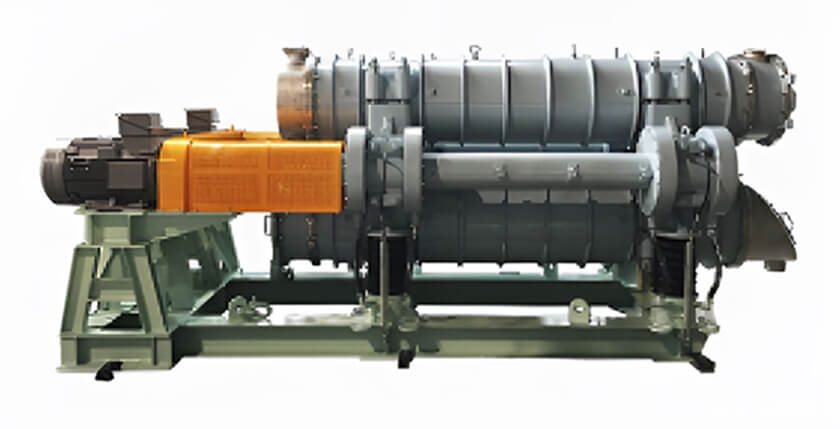
Source: CHUO KAKOHKI Official Website
(https://chuokakohki.com/products/mills)
Grinding Features
Designed for submicron grinding of advanced ceramics and electronic materials, including hard-to-grind SiC, with metal-free configuration options for high-purity processing. High-G impact energy enables both submicron grinding and mechanochemical processing, supporting advanced material development and alloy synthesis.
Maintenance Features
Unavoidable bearing replacement can be completed by simply swapping in a spare vibrator unit. This allows operation to resume quickly with minimal downtime.
- Pot Volume
- 17.2–803.2 gal (65–3,040 L)
- Media
- Steel, stainless steel, alumina, nylon
- Lining
- Steel, stainless steel, alumina, zirconia, rubber (polyurethane, NBR), nylon
- Process Type
- Dry / wet
- Operation Mode
- Continuous
- Laboratory
Test Model - Available
Show More
Grinding Battery Materials
and Carbon
For EV and
Energy Storage Production
and Carbon
For EV and
Energy Storage Production
Heavy-duty Vibration Grinders
Xiamen Tmax Battery Equipments
Xiamen Tmax Battery Equipments
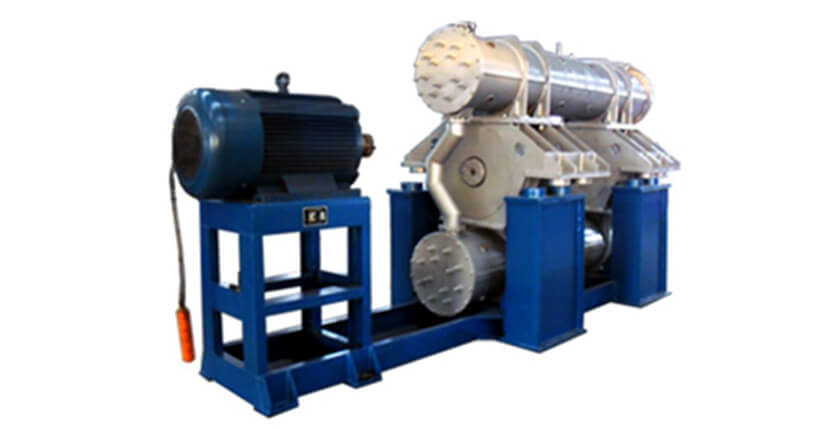
Source: TMAX Official Website
(https://www.tmaxcn.com/heavy-duty-vibration-grinder-for-large-scale-production_p3540.html)
Grinding Features
Supports contamination-controlled grinding for battery materials using low-cost metal-free liner and media options. Polyurethane lining combined with ceramic media such as alumina prevents metal contamination without the need for expensive ceramic liners.
Maintenance Features
It includes unlimited online technical support, helping users build a self-maintenance and servicing system while receiving technical guidance from the manufacturer.
- Pot Volume
- 26.4–317.0 gal (100–1,200 L)
- Media
- Zirconia, alumina, silicon nitride, agate, crystal glass, stainless steel, tungsten, high-wear-resistant steel, manganese steel, carbon steel, hard metal, cemented carbide, polyurethane balls, nylon, and more
- Lining
- Stainless steel, ceramic, zirconia, glazed block, nylon, PTFE, food-standard rubber, polyurethane
- Process Type
- Dry / wet
- Operation Mode
- Continuous
- Laboratory
Test Model - Available
Show More
Grinding Hard Scrap
and Industrial Waste
For Industrial Recycling and
Waste Processing
and Industrial Waste
For Industrial Recycling and
Waste Processing
Eccentric Vibrating Mills
SIEBTECHNIK TEMA
SIEBTECHNIK TEMA
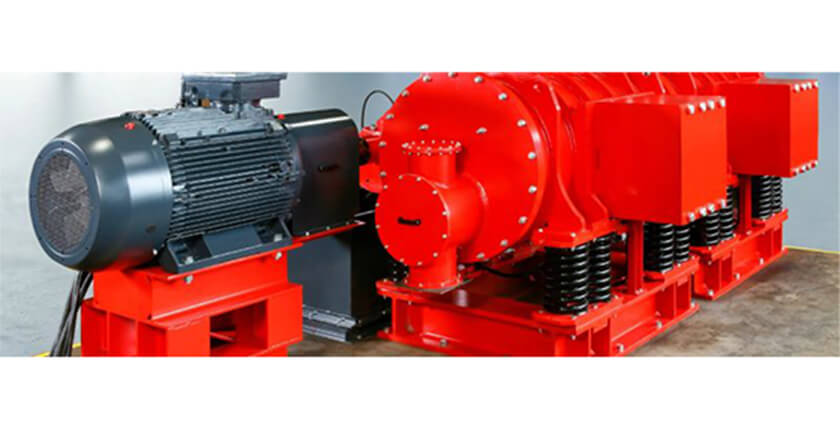
Source: SIEBTECHNIK TEMA Official Website
(https://www.siebtechnik-tema.com/unit_operation/eccentric-vibrating-mills/)
Grinding Features
Built for heavy-duty grinding of hard scrap and difficult industrial materials, including carbide waste and asbestos processing. It enables efficient recycling of tungsten and cemented carbide, and uses impact and heat to break down asbestos into fiber-free raw material.
Maintenance Features
For easier maintenance, the main drive components are installed outside the grinding cylinder, reducing the labor required for inspection and parts replacement.
- Pot Volume
- 2.9–502.5 gal (11–1,902 L)
- Media
- Steel, cemented carbide, ceramic, and more
- Lining
- Special steel, ceramic, rubberized
- Process Type
- Not specified on the official website
- Operation Mode
- Continuous / batch / automated batch
- Laboratory
Test Model - Available
Show More
*Source: TMAX Official Website (https://www.tmaxcn.com/1-100l-optional-vibrating-ball-mill-machine_p1778.html)
*Source: SIEBTECHNIK TEMA Official Website (https://www.siebtechnik-tema.com/unit_operation/eccentric-vibrating-mills/)
*Source: SIEBTECHNIK TEMA Official Website [PDF] (https://www.siebtechnik-tema.com/wp-content/uploads/2023/03/wb238e_Exzenterschwing_2025-1.pdf)
*Source: SIEBTECHNIK TEMA Official Website (https://www.siebtechnik-tema.com/unit_operation/eccentric-vibrating-mills/)
*Source: SIEBTECHNIK TEMA Official Website [PDF] (https://www.siebtechnik-tema.com/wp-content/uploads/2023/03/wb238e_Exzenterschwing_2025-1.pdf)